The everyday food journal
Good food.
Bright days.
A mindful
kitchen.
Simple ingredients, a little curiosity, and room to enjoy the process. Fresh ideas for the meals you make and the places you eat.
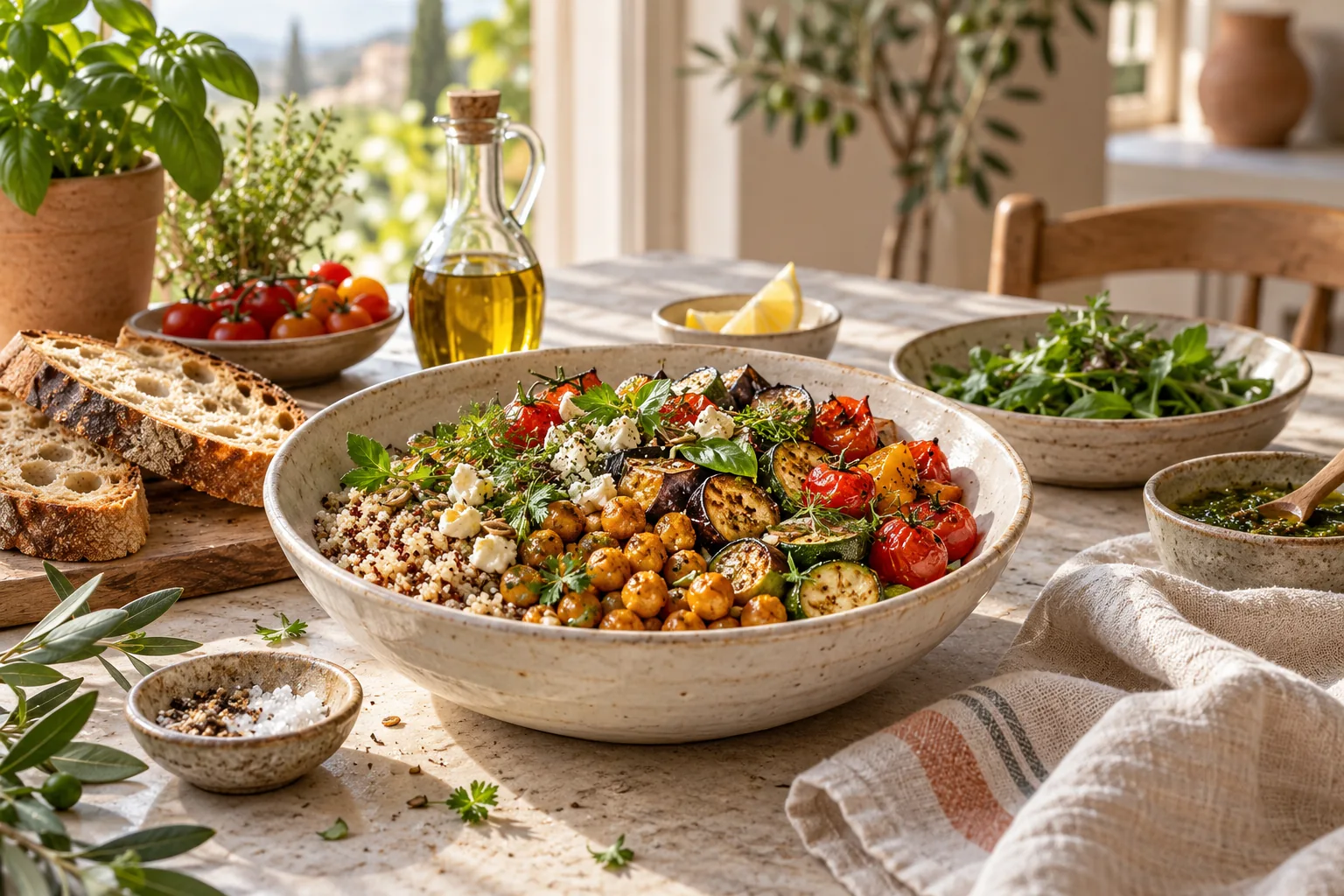
At the table · In the moment
A little less rush
A kitchen that fits the life you have
A good meal does not need to begin with a perfect shopping list. It might begin with a tin of beans, yesterday’s bread, or the vegetables waiting in the drawer. Sunny Yoga Kitchen is about noticing those possibilities and turning them into food you actually want to eat. Think crisp toast with something creamy, a warm bowl finished with lemon, or a lunch assembled before the kettle boils.
Our starting point is everyday cooking: familiar ingredients, flexible combinations, and enough detail to make the next step clear. Some days there is time to roast vegetables and mix a dressing. Other days, a ready-cooked grain pouch and a handful of leaves are the right tools. Both belong in a useful kitchen. Convenience can make space for the part of cooking you enjoy, whether that is chopping herbs or sitting down while your food is still warm.
The yoga-inspired part of our name describes an approach to attention, not a set of food rules. Notice what tastes good. Think about the time and equipment you have. Give yourself room to change the plan. You do not need a particular diet, a morning ritual, or a beautifully arranged countertop to participate.
That curiosity also travels beyond home. A café lunch can introduce a sauce, a texture, or a combination worth trying in your own cooking. A little menu reading can make a family outing easier. Here, recipes and dining guides share a purpose: helping you make the next food decision with a little more confidence and a little less fuss.
Small efforts. Good things.
Something good to make.
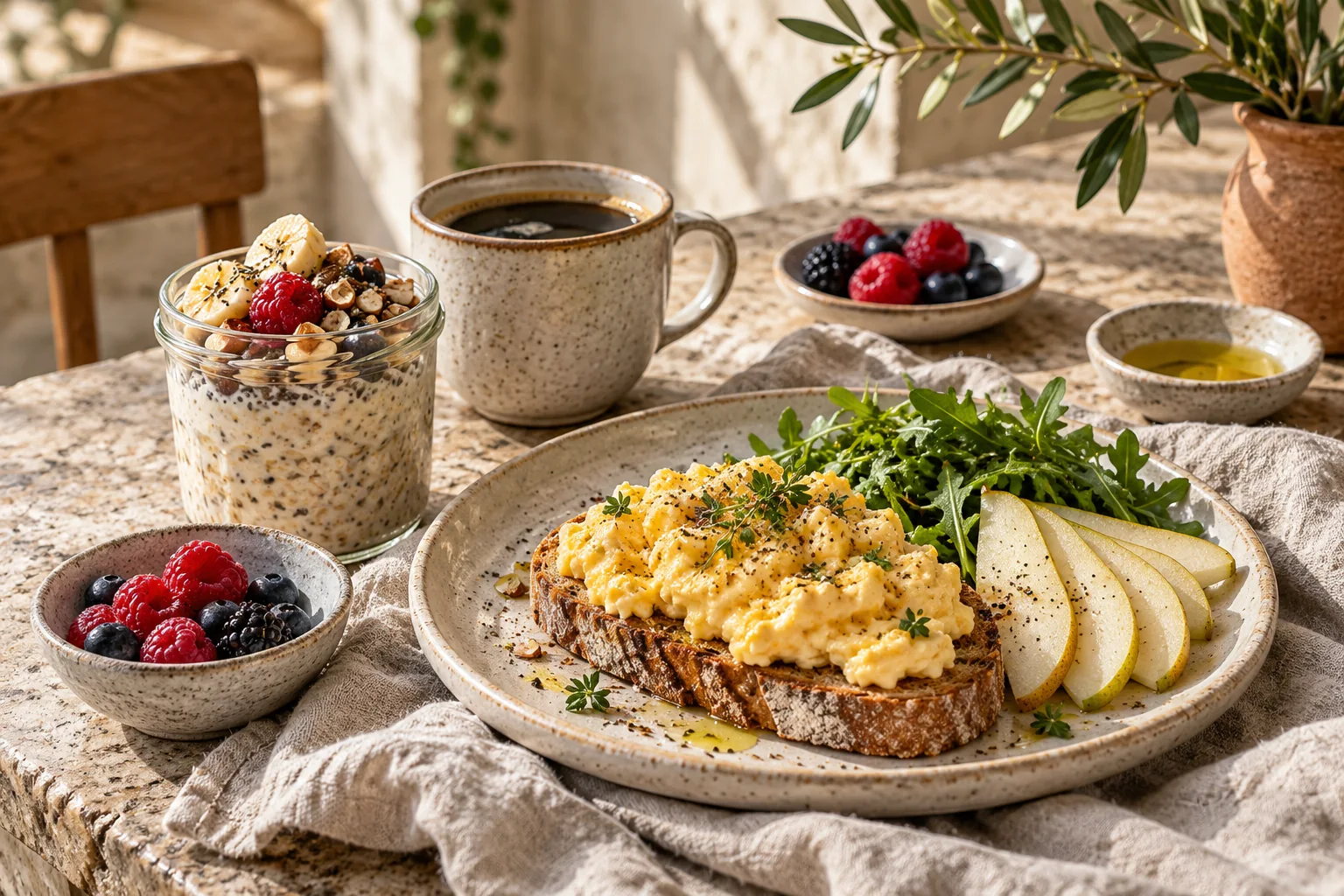
Easy Mindful Breakfast Ideas for Busy Mornings
Build a breakfast routine with flexible oats, toast, savory bowls, practical preparation tips, and ingredient swaps for busy mornings.
Read the story ↗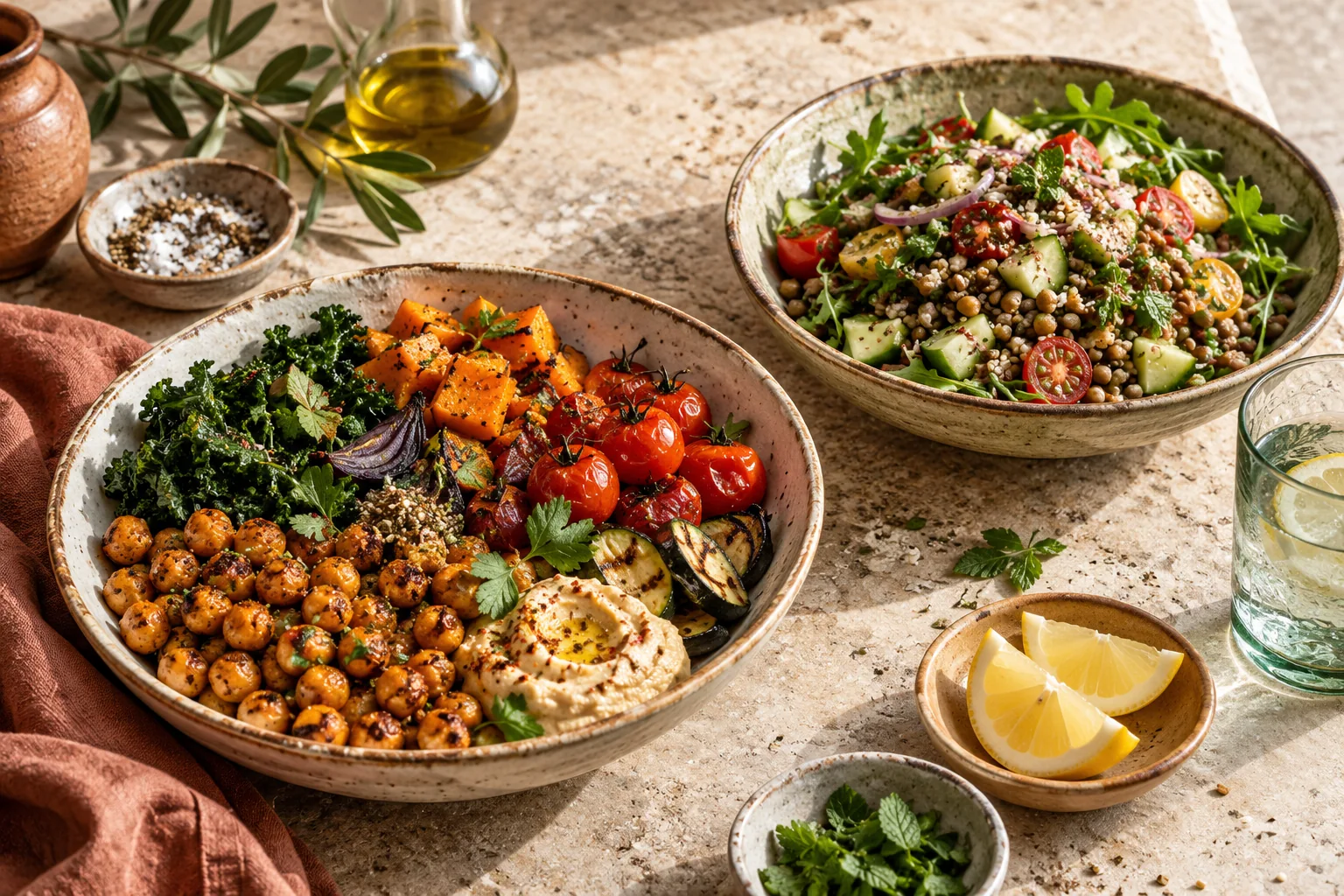
Simple Plant-Based Lunch Ideas for Everyday Cooking
Explore practical plant-based lunches with beans, lentils, vegetables, grains, flexible sauces, and storage-conscious preparation.
Read the story ↗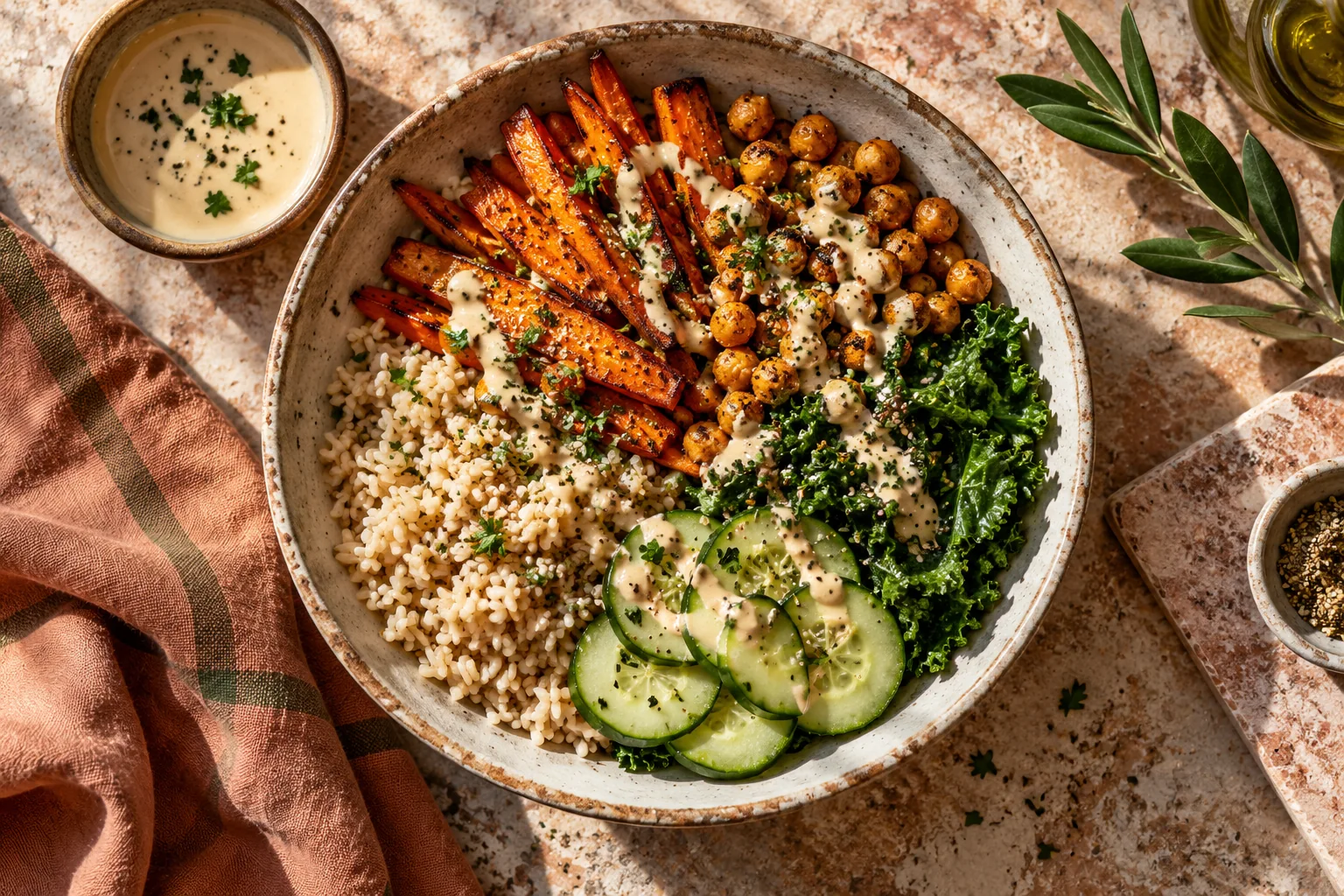
How to Build a Balanced Bowl with Simple Ingredients
Build flavorful bowls with grains, vegetables, beans or tofu, simple dressings, and four flexible ingredient combinations.
Read the story ↗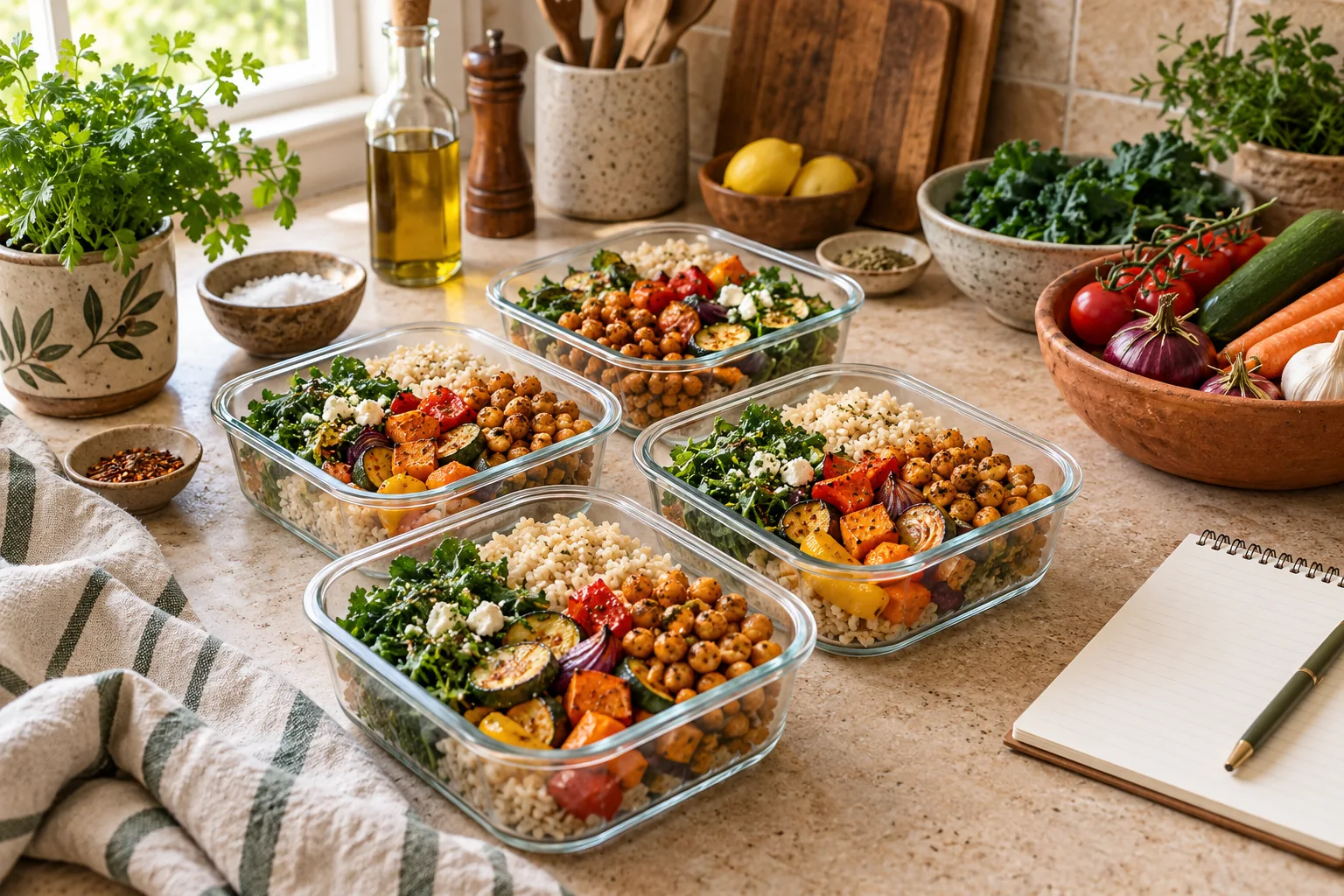
Everyday Meal Planning Without Complicated Food Rules
Create a flexible weekly meal plan with ingredient reuse, realistic shopping, leftover planning, backup meals, and safe storage reminders.
Read the story ↗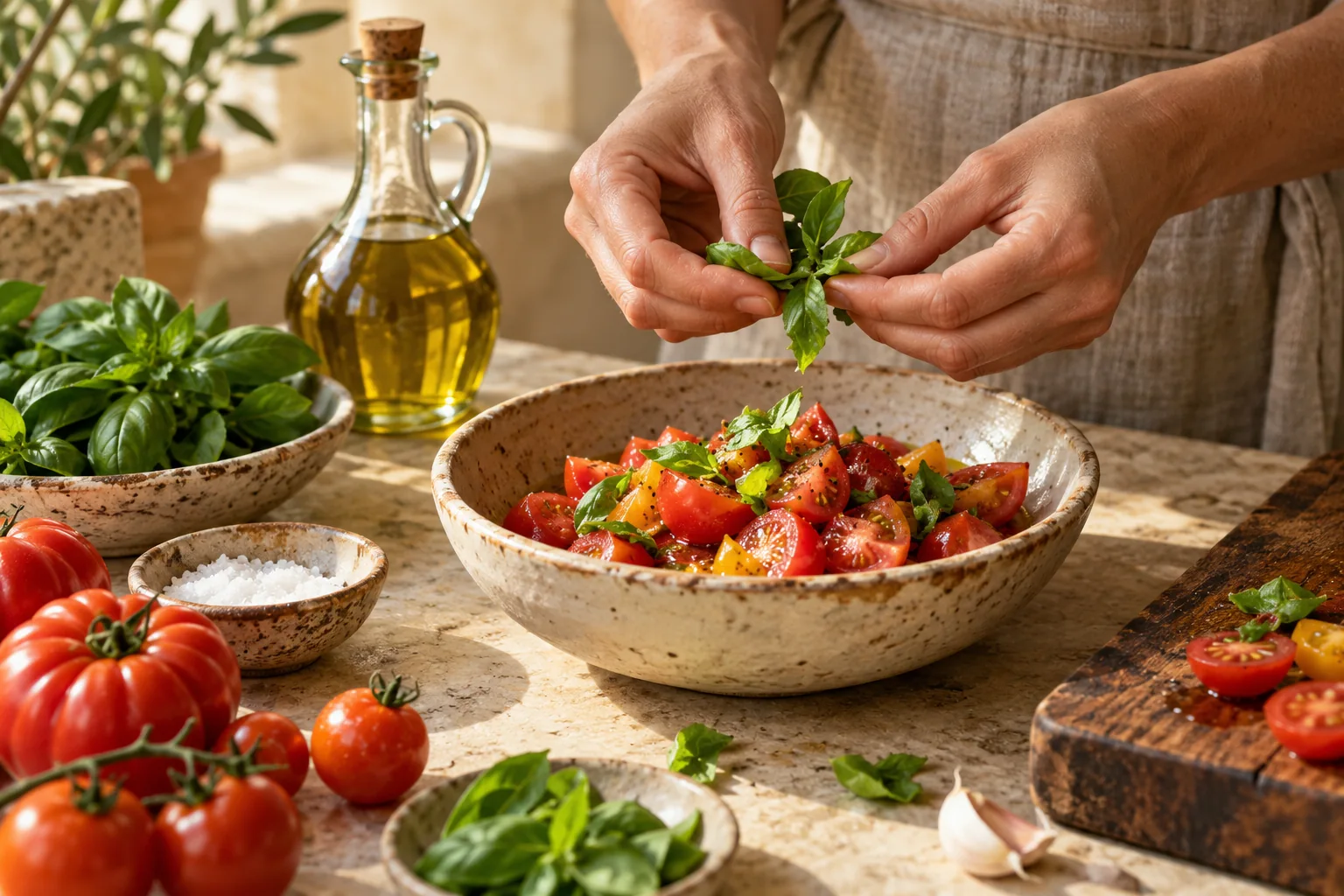
Our kitchen notes
Make room for flexible, satisfying food
Meal preparation works best when it leaves options open. Rather than cooking five identical lunches, prepare a few pieces that can move between meals. A tray of vegetables might become a bowl topping, a wrap filling, or a side for dinner. Keep the dressing separate and change the finishing ingredients, so the second meal has its own character.
Start with a structure, then follow your appetite
For a useful starting point, combine something substantial, vegetables you enjoy, a protein-containing ingredient, and a sauce or seasoning. Rice, roasted carrots, chickpeas, and a spoonful of tahini dressing make one version. Bread, tomatoes, white beans, and olive oil make another. This is a cooking framework rather than a prescription for every person or every meal. Portions and ingredients can change with appetite, access, preferences, and the rest of your day.
Let plants do more of the work
Plant-forward cooking can be as simple as giving mushrooms, lentils, cabbage, or beans a more interesting role. Brown mushrooms before adding them to toast. Warm lentils with softened onion and a splash of water, then finish with herbs. Shred cabbage finely for crunch in a bowl. You can cook this way whether you eat entirely plant-based meals or include other ingredients.
Buy with a destination in mind
Before buying a large bunch of herbs, choose two uses: a dressing today and a chopped finish for tomorrow’s lunch. Before picking up a new sauce, imagine it with ingredients already at home. Seasonal produce can be an invitation to vary your meals, but it is not a requirement. Frozen vegetables, canned tomatoes, and pantry staples help keep the kitchen practical when local choices or your budget are limited.
Our guide to building a bowl turns this approach into specific combinations. Use it to learn the pattern, then change the grain, vegetables, and dressing until the meal feels like yours.
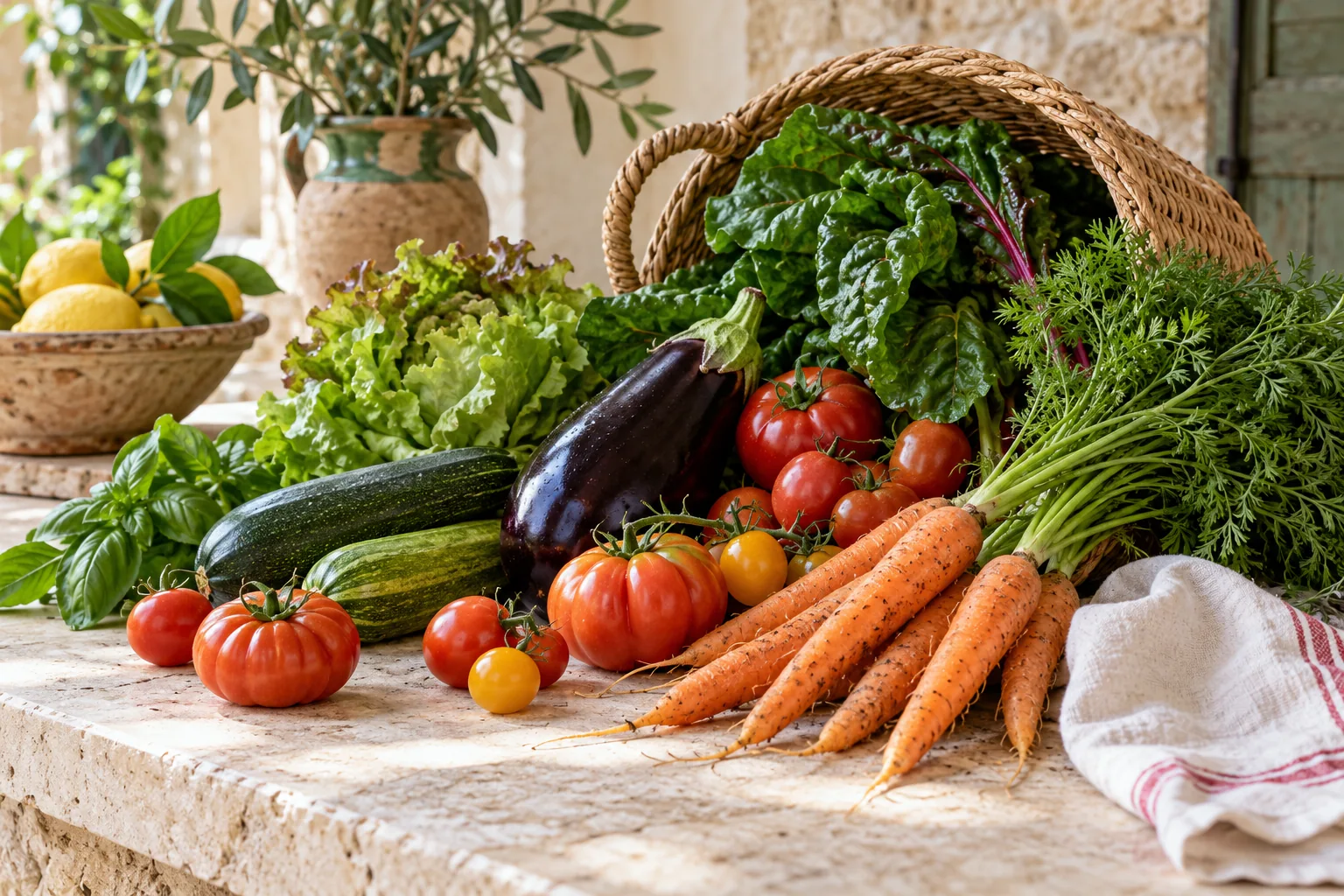
Follow the ingredients
A different kind of seasonal rhythm
Seasonal cooking is often described as a calendar of perfect produce. In practice, it is more personal. Climate, local shops, household schedules, and the weather outside your window all affect what makes sense for dinner. Start with what looks appealing and fits your budget, then choose a preparation that suits the day. There is no need to insist on a particular vegetable simply because a recipe calls it seasonal.
When you want something light and crisp
Try a meal built around contrasting textures: sliced cucumber, tender beans, torn bread, and a lemony dressing. Add delicate leaves just before eating so they keep their shape. If tomatoes are disappointing, use roasted peppers from a jar or a little grated carrot instead. The goal is a lively combination, not a fixed shopping list.
When the kitchen feels too warm
Let ready-to-use ingredients carry more of the work. Mash canned chickpeas with a little dressing for a sandwich, assemble a plate of bread and vegetables, or turn previously cooked components into a cold lunch when they have been stored safely. Keep a small crunchy element separate until serving. A few pickles or toasted seeds can make familiar ingredients feel deliberate.
When you want warmth and softness
Roast sturdy vegetables, soften onions for soup, or spoon a bean stew over toast. Cutting vegetables into similarly sized pieces helps them cook more evenly, while leaving space on the tray encourages browning. Save a bright finish for the end: citrus, chopped parsley, or a small splash of vinegar can lift a mellow dish without rebuilding the recipe.
Make one seasonal change at a time. Replace the bowl topping, try a different fruit at breakfast, or switch from a cold dressing to a warm sauce. You keep the usefulness of a familiar meal while giving it a new direction. Our plant-based lunch ideas offer formats that welcome these swaps.
Beyond the kitchen
Take your curiosity out for lunch
Reading a café menu is another form of meal planning. You are matching food to an occasion: a quick lunch between errands, a slower conversation with a friend, or a family outing where everyone needs something workable. Decide what matters most before getting lost in the descriptions. That might be a substantial meal, a vegetarian option, a manageable total cost, or simply a place where you can sit comfortably.
Look at how a dish is assembled. A sandwich description may tell you about the filling but leave the side or sauce unclear. A bowl may sound substantial but need an add-on to suit your appetite. Words such as roasted, pickled, toasted, and dressed offer clues about texture and flavor; they do not tell you everything about ingredients or preparation. Ask a short, specific question when the answer changes your order.
Vegetarian-friendly choices deserve the same attention as any other meal. Read beyond the headline ingredient and ask about stocks, sauces, or toppings when these matter to you. For allergies, speak directly with staff about your requirements and preparation practices. A symbol or an online description alone cannot establish whether a meal is suitable for a particular person.
Themed dining brings a different kind of interest. The atmosphere, plate presentation, and menu language may be part of the attraction, but practical questions still apply. Check the actual venue’s current access arrangements, menu, and prices before building the day around it. Leave room for preferences that have nothing to do with the theme: familiar flavors, a quieter seat, or an easy alternative.
Begin with our restaurant menu reading guide, then use the café visit planning checklist to turn your shortlist into a comfortable outing.
A useful starting point
Food and menu reading, with context
Sometimes the first step is discovering what kind of meal interests you. The resources below can provide starting points for browsing, especially when you want to compare the idea of a restaurant meal with cooking at home. Treat third-party menu information as a research aid, then check details that affect your visit directly with the restaurant.
Explore a broader range of restaurant choices
You can browse restaurant menus at AllTheMenus when you want a starting point for looking beyond your usual order. Make your own short list of appealing dish types and questions rather than assuming every listed item will be available at your chosen location. That list can also spark ideas for homemade sandwiches, bowls, or side dishes without trying to reproduce a restaurant recipe.
Prepare a few questions before you go
If you prefer to look through options ahead of time, explore restaurant menu guides at LatestMenus. Use what you find to identify the details worth confirming: whether a side is included, which substitutions are possible, and what the final order may cost. An online menu guide is not a substitute for the current menu at the location you intend to visit.
Think through a themed café outing
For readers interested in that specific destination, the third-party Toadstool Café menu and prices guide is a possible starting point for menu research. Confirm current food offerings, prices, and visiting arrangements with the venue’s official channels. Our themed café dining article focuses on the broader planning questions, including expectations, presentation, and the needs of different people in your group.
Resource disclosure: These three links were requested by the publisher. They are third-party resources, not official restaurant sources or independently verified recommendations. Their current content, prices, and accuracy have not been verified for this publication.
Try this in your kitchen
Five small decisions that make a meal easier
1. Choose the ingredient that needs a plan
Look first at what you already have. A half cabbage suggests slaw, a pan of sautéed ribbons, or a crunchy wrap filling. A few cooked potatoes might become a warm salad. Choose one ingredient as the starting point, then add familiar supporting pieces. This narrows the decision without requiring a completely new recipe.
2. Separate the cooking from the finishing
Cook the grain, roast the vegetables, or prepare the filling when it fits your schedule. Finish later with herbs, dressing, and something crisp. Keeping those elements separate gives you more control over texture and makes it easier to turn the same components into different meals. Label stored components so you can identify what they are and when they were prepared.
3. Season in small steps
Taste a prepared dish before adding several seasonings at once. If it seems flat, try a little lemon or vinegar; if it needs aroma, add herbs or a suitable spice. Mix, taste, and pause. A creamy dressing can soften a sharp combination, while a crunchy topping can make soft ingredients more interesting. These adjustments are easier when the sauce is added gradually.
4. Give tomorrow a useful head start
Write down a next use while you put ingredients away: beans for toast, herbs for dressing, vegetables for wraps. Be realistic about how many meals you will eat at home. Proper refrigeration matters when preparing ahead; consult the FoodSafety.gov cold food storage charts for food-specific storage guidance. Do not assume that every cooked component keeps for the same period, or that adding a fresh dressing makes older food new again.
5. Keep one easy fallback
Choose a meal you can make when the original plan no longer fits. It could be beans on toast, a pantry pasta, or a simple bowl assembled from safely stored components. Keep the necessary ingredients available, and let that fallback do its job without apology. Our simple meal planning guide shows how to build a week with enough structure to help and enough space to change.
From the journal
A little more inspiration.
Easy Mindful Breakfast Ideas for Busy Mornings
Build a breakfast routine with flexible oats, toast, savory bowls, practical preparation tips, and ingredient swaps for busy mornings.
Read the story ↗Simple Plant-Based Lunch Ideas for Everyday Cooking
Explore practical plant-based lunches with beans, lentils, vegetables, grains, flexible sauces, and storage-conscious preparation.
Read the story ↗How to Build a Balanced Bowl with Simple Ingredients
Build flavorful bowls with grains, vegetables, beans or tofu, simple dressings, and four flexible ingredient combinations.
Read the story ↗
Creating a Calm Morning Kitchen Routine
Create a manageable morning kitchen routine with practical preparation, a clear workspace, breakfast defaults, and flexible household habits.
Read the story ↗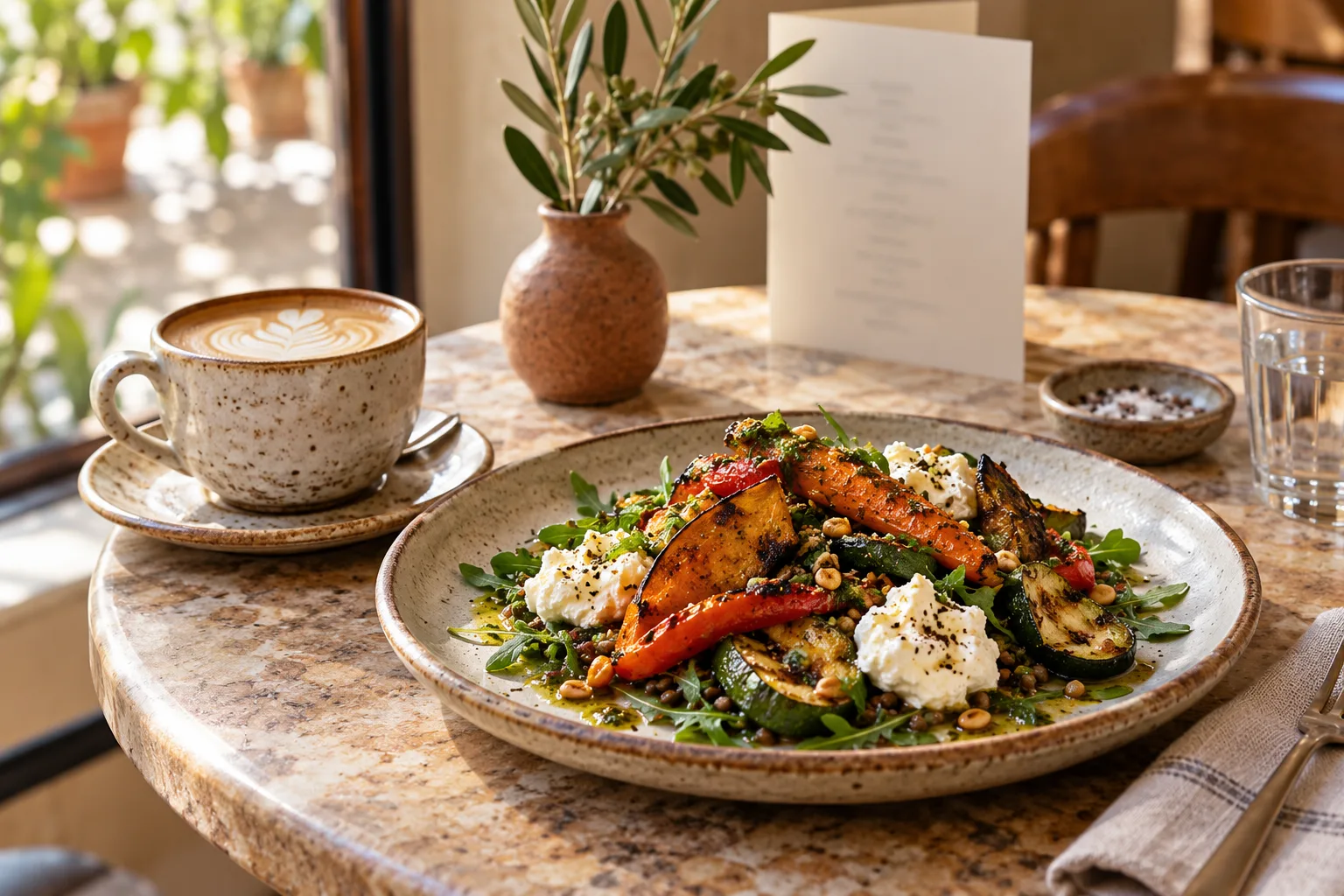
How to Read a Restaurant Menu Before You Order
Read restaurant menu descriptions, compare complete prices, ask clearer ingredient questions, and prepare for substitutions or dietary needs.
Read the story ↗
Planning a Relaxed Café Visit Around Your Food Preferences
Plan a café visit with practical menu checks, budget considerations, dietary questions, service expectations, and considerate café habits.
Read the story ↗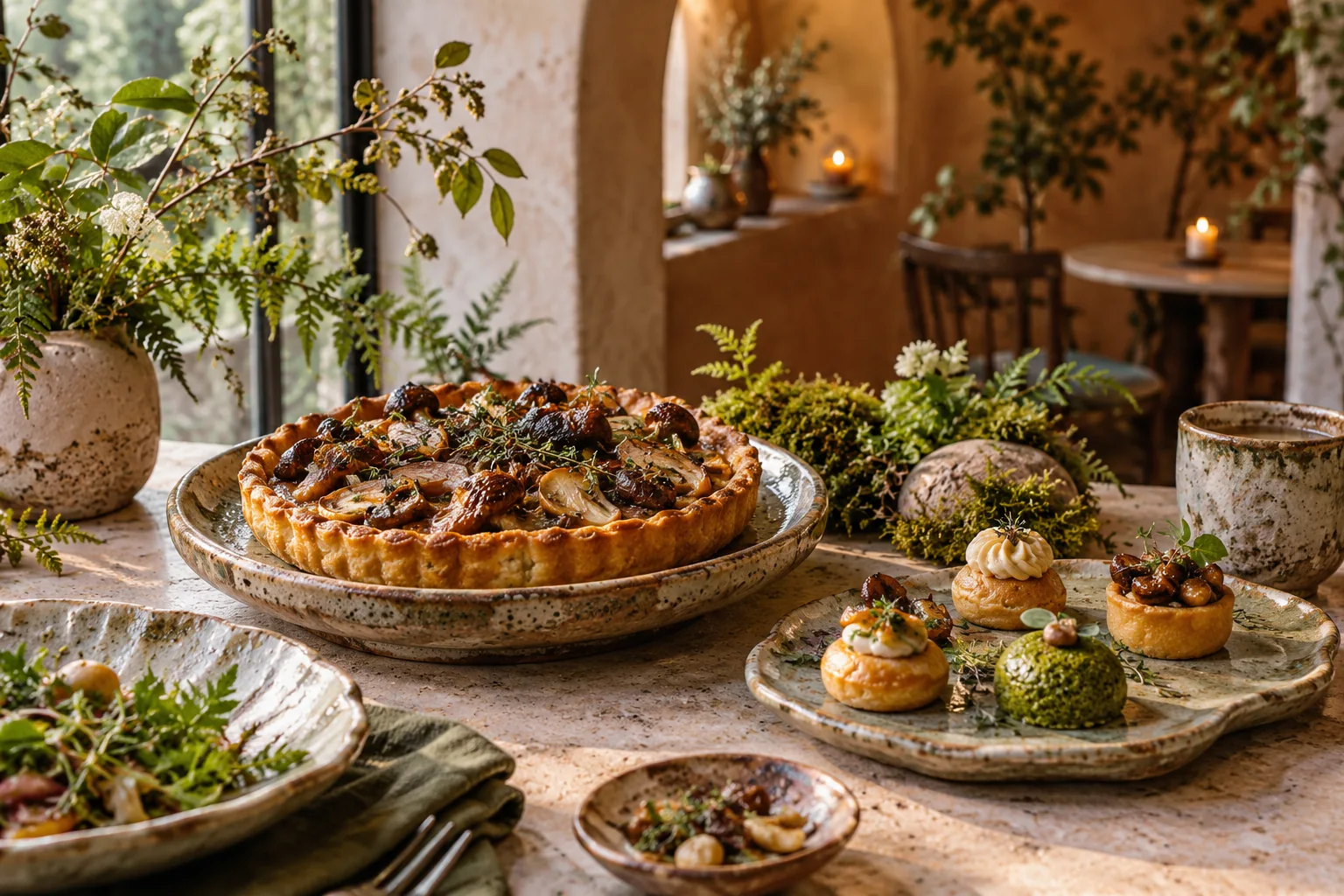
What Makes a Themed Café Dining Experience Special?
Explore themed café food presentation, storytelling, family planning, photography, and realistic expectations without invented menu details.
Read the story ↗Everyday Meal Planning Without Complicated Food Rules
Create a flexible weekly meal plan with ingredient reuse, realistic shopping, leftover planning, backup meals, and safe storage reminders.
Read the story ↗The publication
Practical guidance. Clear boundaries.
Sunny Yoga Kitchen is an English-language food and lifestyle publication for home cooks, café visitors, and anyone who wants useful ideas without a complicated set of rules. Our subjects include approachable cooking, plant-forward lunches, breakfast habits, flexible planning, and thoughtful dining decisions. The focus is what you can do with the information: assemble a meal, ask a better question, or make tomorrow’s preparation easier.
Specificity matters more than a grand promise. Recipe guidance should explain the ingredients and method it needs. Dining guidance should distinguish general suggestions from details that require confirmation with a venue. Articles should not imply firsthand cooking tests or restaurant visits when those experiences have not been documented. We do not present ordinary food choices as medical treatment.
The publication uses AI-assisted editorial content and AI-generated illustrative imagery. Food images offer a visual interpretation, not evidence that a recipe was tested or a restaurant was visited. Read the instructions and ingredient information when deciding whether an idea suits your kitchen.
Our editorial policy explains the standards intended to guide publication and future corrections. The About page describes the site’s scope, while Contact provides the place for configured editorial contact details and correction information.
Something good to begin with
Choose one idea for your next meal
You do not need to reorganize your entire kitchen to use something you find here. Pick one breakfast combination, try a different finish on a bowl, or read a menu before the next café visit. A small, workable idea is enough for today.
Start with breakfast ideas for busy mornings if the first meal is your sticking point. Explore a calmer morning kitchen routine if preparation feels scattered. Or stay with the ingredients already waiting in your kitchen and choose a meal that gives them somewhere useful to go.